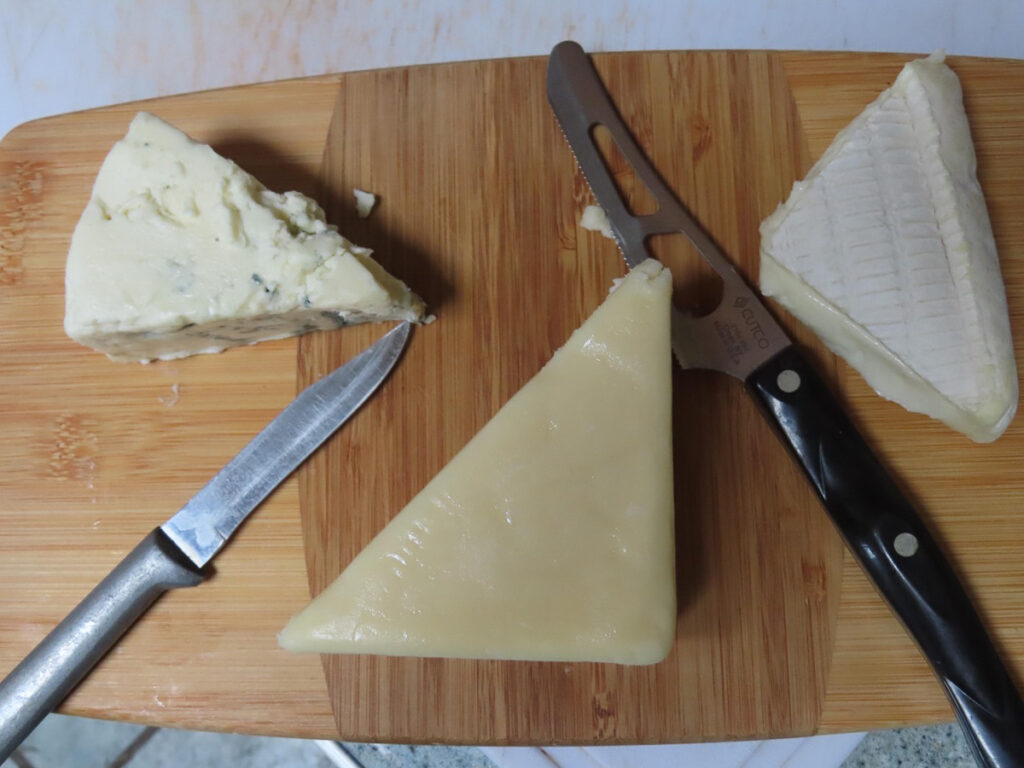
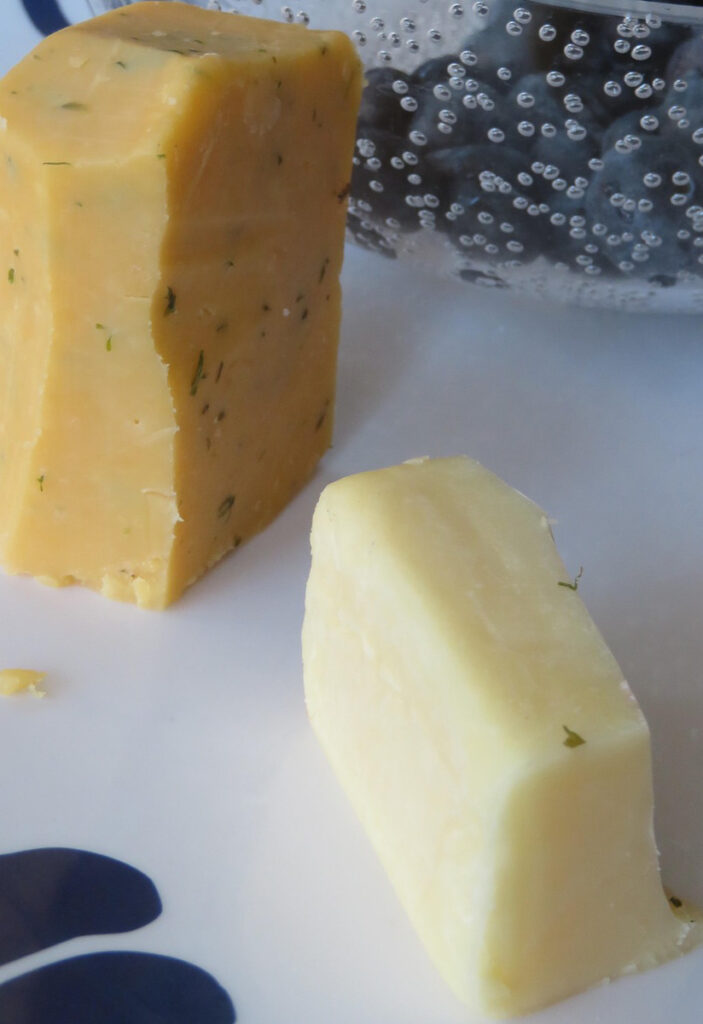
Travel is supposed to be about newness and adventure, isn’t it? The challenge of trying unfamiliar things, new experiences. Yet as I think most of us do on a trip, I also love meeting up with something familiar. Sometimes I even “have my cake and eat it, too” (to mix a metaphor) by finding new adventures in familiar food.
On a trip to England some years back, that food was cheese. At times I felt downright guilty enjoying it so much. Oh, those cheeses! My tongue just reveled in new layers of richness.
For instance, when I ordered a Ploughman’s (Brit spelling) for lunch. Check out the deluxe version below, which I was served at a wonderful country pub called “The King and Tinker.”
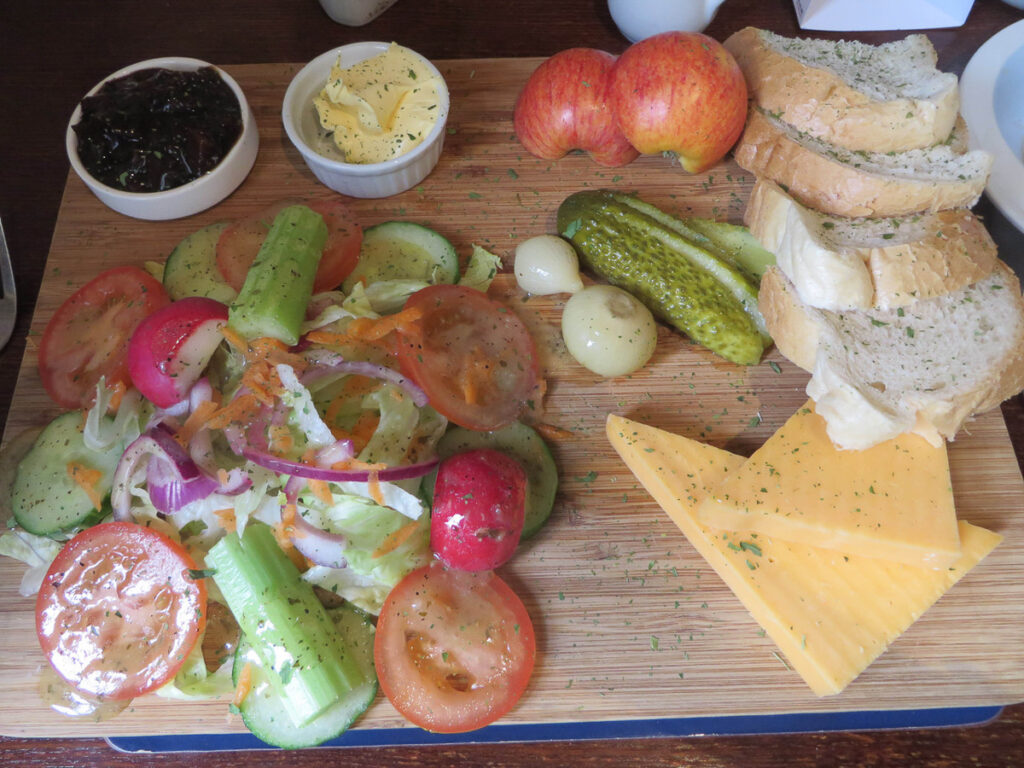
A Ploughman’s usually consists of cheese (you specify a Cheddar Ploughman’s or a Stilton Ploughman’s, for instance), bread or a small baguette, pickled onion, chutney, and a couple of sticks of celery. Sometimes sliced ham is included or sliced apple or pear. The chutney is usually Branston pickle from a jar, which really goes with cheese; it’s brown, spicy, and moistly crisp. Those pickled onions, sharp and vinegary and sometimes a bit tough, belong in the contrasting tastes department.
Surely any real ploughmen never ate as well as this! But the idea may well have gotten started when people leaving to work in the fields quickly stuffed cheese and bread into a pocket. It’s been promoted by pubs as an ideal combination with a pint (or glass of wine in my case), and it is. A menu on a plate. The cheese supplies the perfect foil for each element, no matter how dissimilar.
And then there’s cheese for dessert. At the end of dinner, with a little wine still in the glass, the cheese course is a quiet, civilized affair. I love the freedom of it, all the varied tastes and textures. I can cut myself just the right amount, a sliver, perhaps, of something substantial, or try a bit of everything. Always take repeats on Stilton.
But that evening in Aberystwyth, Wales, was something else again. Along with forty or so others, I’d come to the final banquet of a scientific meeting that my husband Andy had attended the previous few days. Such affairs range from enjoyable to tedious; on this occasion, all the tables in a local seaside restaurant had been joined into one long rectangle, twenty people per side. I ended up in the exact middle separated from the few people I knew, except for Andy on my right. A nice young Brit sat on my left, two burly Russians took their places across from me.
I enjoyed the British fellow but soon he became involved in other conversations. Both Russians, with whom I’d shaken hands early on, kept disappearing outside to smoke. At length. When present, the younger one concentrated on food. A serious eater, he wolfed down appetizer and entrée, then ordered steak and chips and to my and the waitress’ amazement, wolfed that down, too. His colleague, a heavy-set balding man with black eyebrows like awnings, loomed at me from across the table. I tried to converse but both men answered in monosyllables or grunts. I suppose English didn’t come easily to them, or that they, too, had hoped to be seated with someone else.
Conversation bubbled around me, glasses and silverware clinked. Bursts of laughter flashed from both ends of the table, but always several bodies away from my being able to hear or join in: I was a silent island in the center of it all.
As for the food, my entrée of local lamb was pleasant but bland; also, I thought, I could have boiled potatoes and asparagus just as well as this restaurant’s kitchen. I began to long for the book awaiting me back in our room at the B&B, and that comfy upholstered chair . . . where was the plot going? . . . I tried looking out the window at the sea, but in the gathering dusk I could barely make out waves breaking.
A stir of excitement: dessert! Waiters delivered tiramisu, crème brulee, and chocolate torte. They all looked luscious. Had I made a mistake in requesting “Local Cheese Selection?”
Then an oblong platter was set before me: four wedges of cheese, various crackers, chutney, grapes, and surprisingly, celery sticks. All were so artistically set out, the arrangement looked almost like an architectural model.
I started with the Cheddar. Flecked with green, perhaps sage, it was a dense cheese permeated by herb flavors. Next, the Brie, which turned out to be light and buttery: an innocent young heroine?
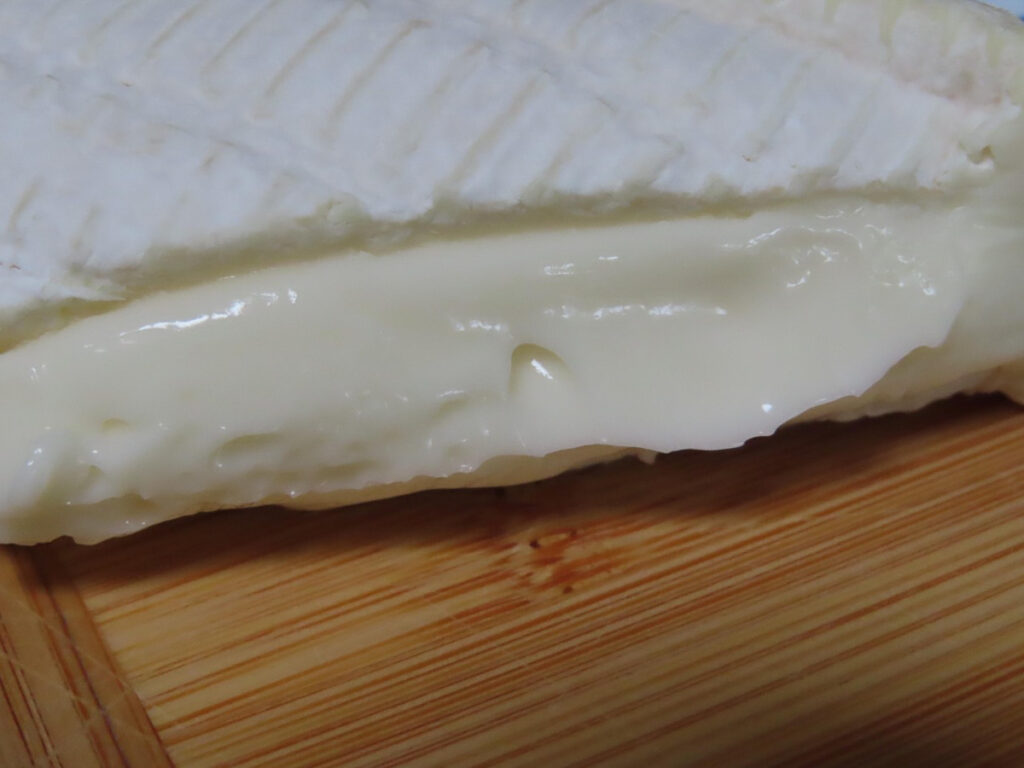
Now another cheddar, smoked. Though I’ve never much cared for smoked foods, this one was a veritable Forsyte Saga of a cheese. And then my favorite Stilton. I could write an ode to it! Blue-veined, creamy and rich, its flavor spread sensuously over my tongue. Surely Lady Chatterly and game keeper Mellors would have loved this stuff! I kept tasting and tasting, and as everything warmed to room temperature, the cheeses went to work seducing me.
Before long I became completely absorbed. It was as though someone who knew me very well had selected four wonderful books, all so interesting I couldn’t concentrate on any one. For instance, after just a few pages of a good memoir, I’d be tempted to dip into an absorbing mystery or return to a beloved classic. Or wanting to revel once more in an author’s style or humoI might leap back into the first book again. Or the third. With each taste, each tale, each cheese seemed better and better. You might say, the plots thickened —or that these characters were fleshing out and growing more interesting each time I met them.
And they were intense characters! I could have used a good full California Pinot Noir or Cabernet rather than the commonplace Shiraz Andy and I had managed to find on the overpriced wine list. So I was glad of the various accompaniments furnished. Fruit deserves its place with cheese, and celery turned out to be both a good palate cleanser and crunchy contrast, like a funny story that lightened things up.
Gradually my favorites emerged. The Brie, though pleasant, I didn’t finish—not up to the
competition. A beach read. As my palate gained experience, the first cheddar also began to seem bland, while the smoked cheese grew more and more interesting. Had a great conversationalist settled down into the chair next to me? Like the hero of an award-winning book, the Stilton seemed to grow richer and richer, more fervent, more beseeching. Gradually I came down to the smoked Cheddar and the Stilton. Cheddar, Stilton. . . Stilton, Cheddar . . . The last word? Stilton. I ate every bit.
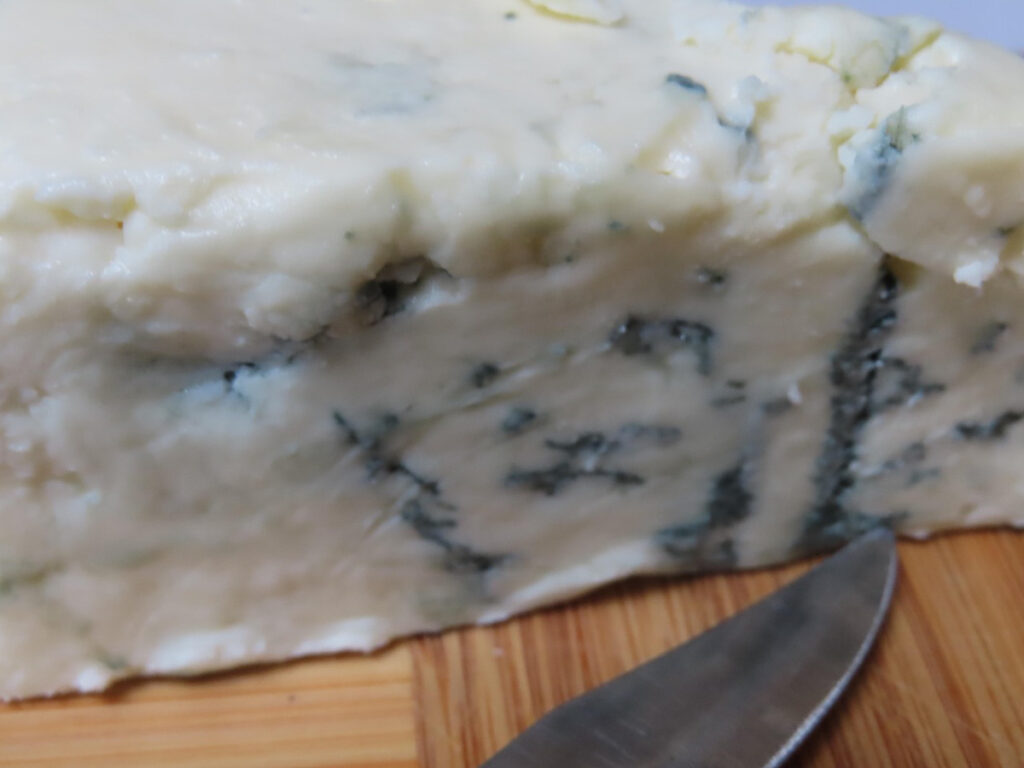
Later, as I walked back to the B&B with Andy, one of my favorite novels came to mind, Edith Wharton’s The Age of Innocence. I remembered how protagonist Newland Archer grows from callow youth to worldly, disillusioned wisdom, and how his perceptions and feelings change, as do those of his love, Ellen Olenska. My own feelings had grown as I tasted those cheeses, those four characters who’d invited me to join their conversations and thoughts.
And thank God for them! For dessert anyway, I’d dined with (and on!) charming, fascinating company.
Yet at the same time, this had been very down home company. I wonder now if the deepest appeal of cheese is its reminder of childhood and nurture, starting as it does from milk. Is cheese the most intimate form of comfort food? That evening, I could almost imagine a homey voice cooing with each creamy or savory bite, “Now, now, dear, it’s too bad the gentlemen are so difficult. There, there. . . just enjoy this delicious stuff, you’ll feel better. . . here, what about a bite of this lovely Stilton? Delicious, isn’t it? Oooh, and now try this little bit of Brie!” And so on.
But (supposedly) I’m an adult. And the very food I was enjoying is something that has itself matured. Cheese is milk grown up. Ripened. In all its variety, as much a miracle as grape juice becoming wine, and a reminder of the way simple beginnings can develop into things of artistry and delight, even as infants grow into the immense variety of adulthood.
That cheese selection might also be viewed as a kind of time-travel eating, or food of many minds: those of the people who’d made it, supplied it, or served and arranged the platter for me, as well as my own states of mind during those moments, culinary, literary, and social, to name a few. Somehow, in all its dimensions, this broad term ‘cheese’ had included them all in. The “old familiar” had shown me something new, fascinating, and infinitely suggestive.