Back from a trip, I blow into the house, lugging bags of various shapes and sizes. Now to unpack: distribute this, stash that, put something somewhere, dump laundry into the bin, all the things you do to get yourself back into normal life. Seldom is this an orderly or compact job, especially after a trip I’m just back from. I’d just tossed things into the back seat or trunk, with no planning or compacting as in air travel——and even then, unpacking is really ordering what’s been pretty disordered.
Finished, I fling myself down on the couch, sort and read the mail, catch up on the headlines, get a snack. Stretching out my legs, I review the papers, with special attention to the comics. Now to check email and FaceBook. Oh, and a cup of tea? Yes.
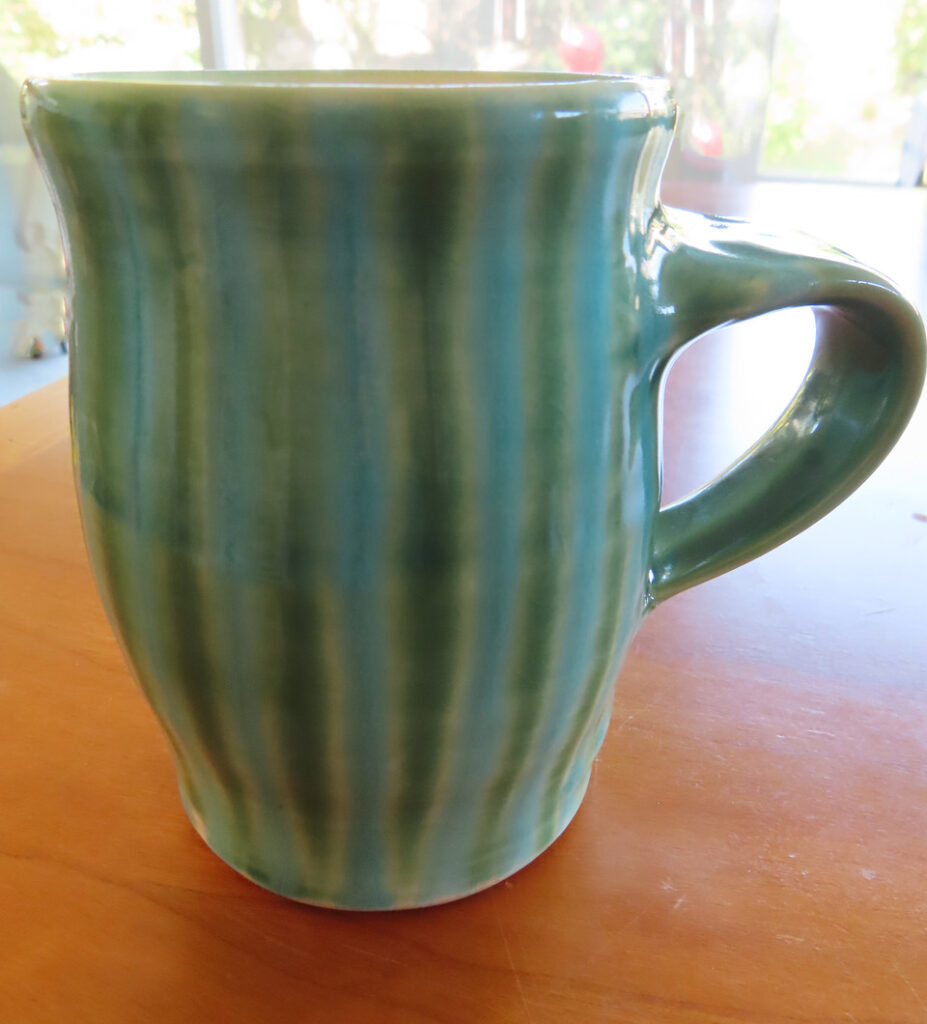
A cup? No, a mug. A mug of plain black tea.
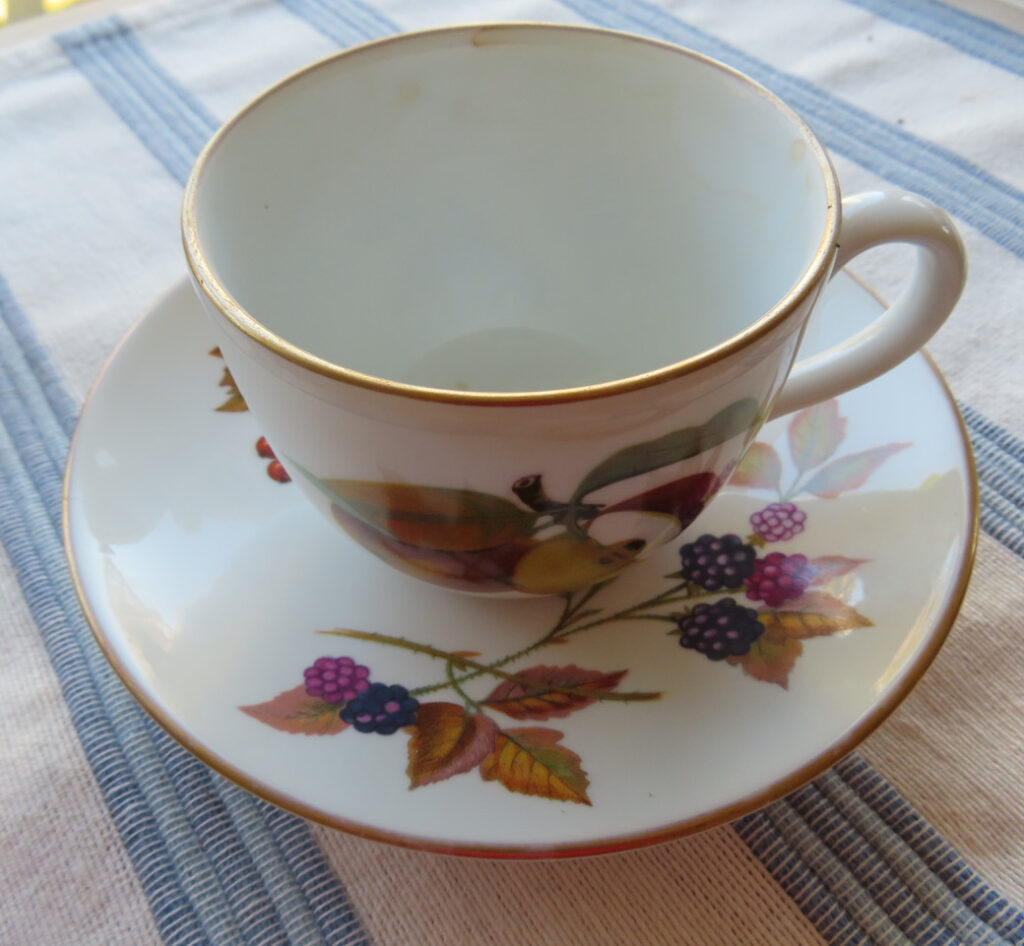
As a little girl, I was served “cambric tea” (weak tea with milk and sugar); I also remember my mother delivering hot tea to my grandmother before she even got out of bed. And in our house it was always “time for a cup of tea” every afternoon around 3:30 or 4 o’clock, though they never called it “a cuppa.” This always meant tea with milk and sugar. If a guest were on hand, sugar lumps got brought out, neat little cubes which I occasionally filched from the cabinet in the dining room. Ever since then, however, I’ve always preferred plain back tea, a no-milk preference which mystifies my English relatives.
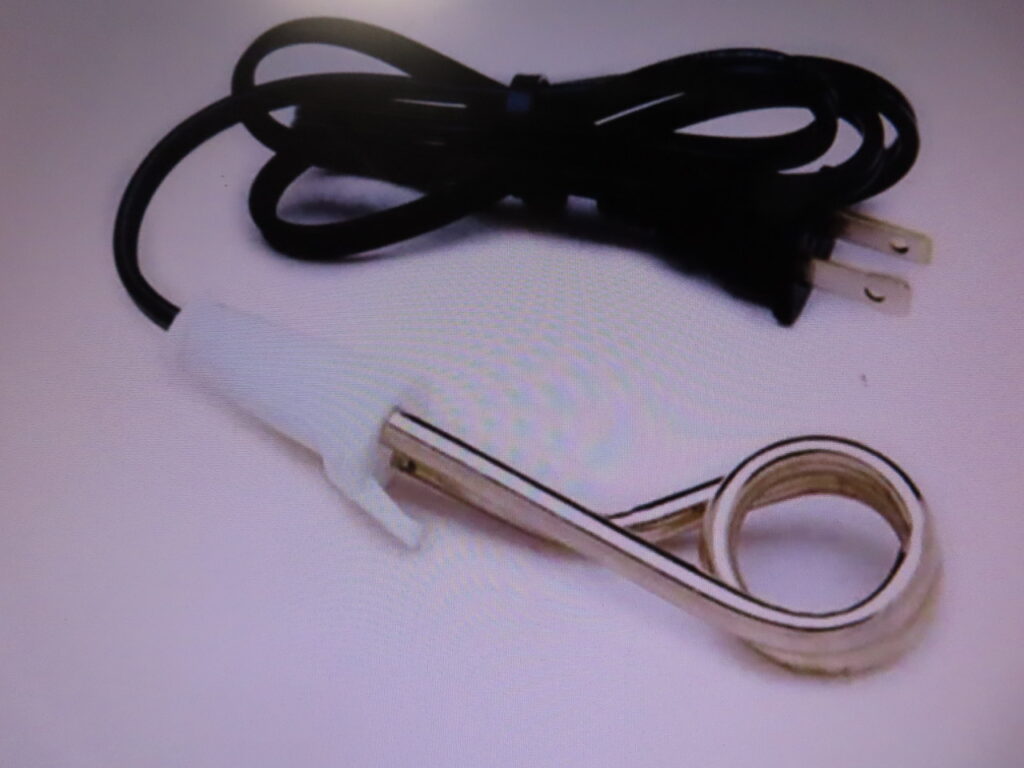
Tea was my first adult drink, for I didn’t drink coffee or alcohol until later in my twenties. Tea was a refuge in my dorm room while studying or just semi-collapsed on the bed after a busy day. I’d heat the water with an immersion coil device, then watch the tea steam pleasantly on my window sill or desk.
Now, decades and hundreds (if not thousands) of cups later, a certain mug evokes the whole reason for my love of tea.
Early in 2010, a new and excited grandmother, I was helping my older daughter. A new refrigerator was to be delivered to their apartment, and I was standing by to take care of my six-month-old grandson when he woke from his nap, leaving my daughter free to act.
Having unloaded all the food by the appointed time, we waited anxiously, ears open for a cry from upstairs. Silence. A knock on the door: the guys came for the old fridge and rather noisily trundled it out on a dolly. Still blessed silence. Next the new fridge made its entrance and got plugged in; we thanked the guys before starting to put everything back.
A cry! I went upstairs to my grandson while my daughter cleared all the counters and loaded containers back in. By this time, though, the baby wanted Mommy. Loudly. I handed him over.
“Wow, we just made that job work, exactly!”
“Oh, thank you, Mom, having you here made it so much easier!”
“Isn’t it nice that we had a little time to chat, too? And now you’re in business, ready for anything–that’s great!”
A couple of days later, my daughter handed me a package; in it was a bright red mug with a printed motto.
“You helped me out the other day, Mom, and this looked like something you’d like!”
Fifteen years later, and dozens of trips through the dishwasher, here it is. No longer as fresh and red, but the mug’s still carrying on.
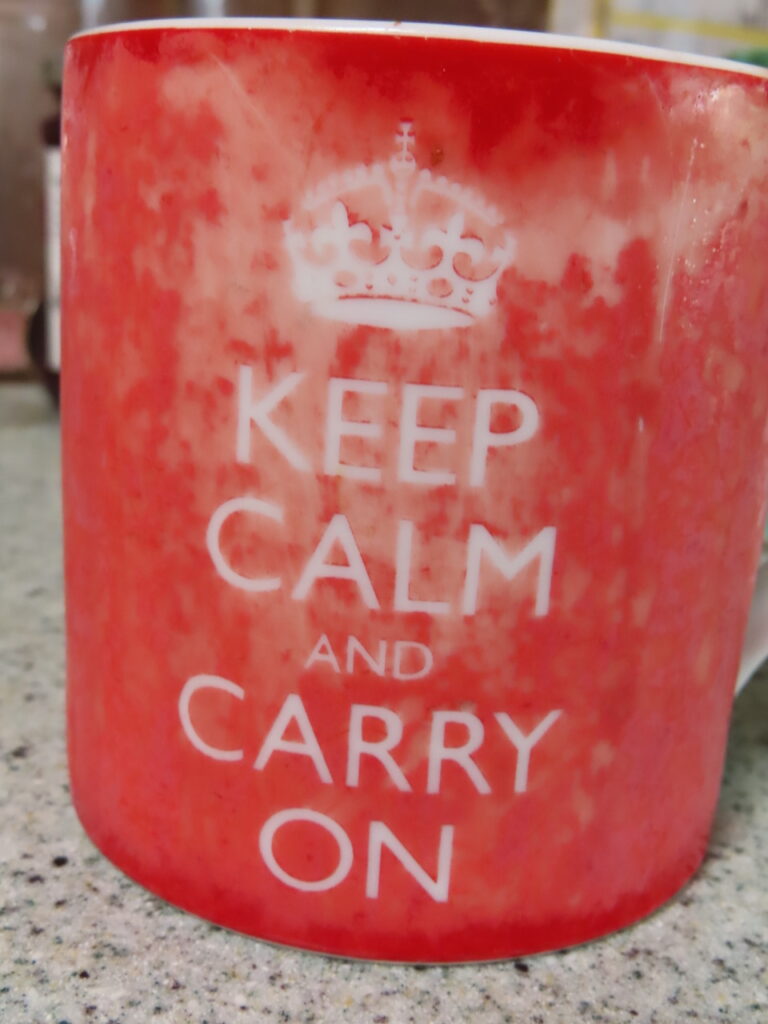
Though we were hardly under the stress of the British people in war time (it’s now known that this slogan was hardly used then, only revived decades later), CARRY ON is exactly what we did. Katherine had made sure she had help on hand, prepared everything,—and remained calm.
Yes! A cup of tea is a way you keep calm—even though I often drink it after whatever stress I’ve encountered, rather than during or even before the carrying on needs to happen. I continue to stick to plain tea, rather than the “hot sweet tea” that’s so often produced in English novels after someone’s shock or bad experience. Though occasionally I resort to what I call “hot lemonade.” When I feel a cold coming on, I make a large mug of tea far stronger than I’d normally like, squeeze in the juice of at least half a lemon (so that the tea’s color changes to a yellowy-orange), then stir in 3 large spoonfuls of sugar. After drinking this as hot as I can manage, I retire! I claim no cure for this concoction, but somehow it simultaneously soothes and revives me.
Though I occasionally do get together with friends and use my mother’s pretty cups, tea is now largely a private pick-me-up. My husband can predict when I’m about to say, “I need a cup of tea.” A signal he reads to mean that I need space and quiet, time to re-gather myself.
Real Tea. Unromantic, unfruity, unsweetened, it gives me a clear, plain clarity of taste. The no nonsense restorative I can depend on, tea is “the straight goods,” to use an old phrase of my father’s. Tea offers the unvarnished truth and doesn’t gussy up the situation. Drinking it, I put myself in order.